
B2B Casino Platform vs B2B Casino Software: What Operators Need
I tested both for a B2B casino rollout. A platform gives end-to-end iGaming platform hosting; software is just pieces you wire together. I’d pick based on your timeline, team, and ops burden.
Core Features of a B2B Casino Platform for iGaming Content Delivery
- Set role-based permissions for traders, QA, and operators in your casino management system.
- Enable content delivery with versioned slot content platform updates.
- Use real-time status webhooks for game servers and API casino integration.
- Support localized jackpots, rules, and RNG reporting per jurisdiction.
- Turn on iGaming content management for affiliates’ tracking links.
When I built an online casino platform, the hard part wasn’t the lobby. It was keeping iGaming platform content in sync across brands without breaking games integration.
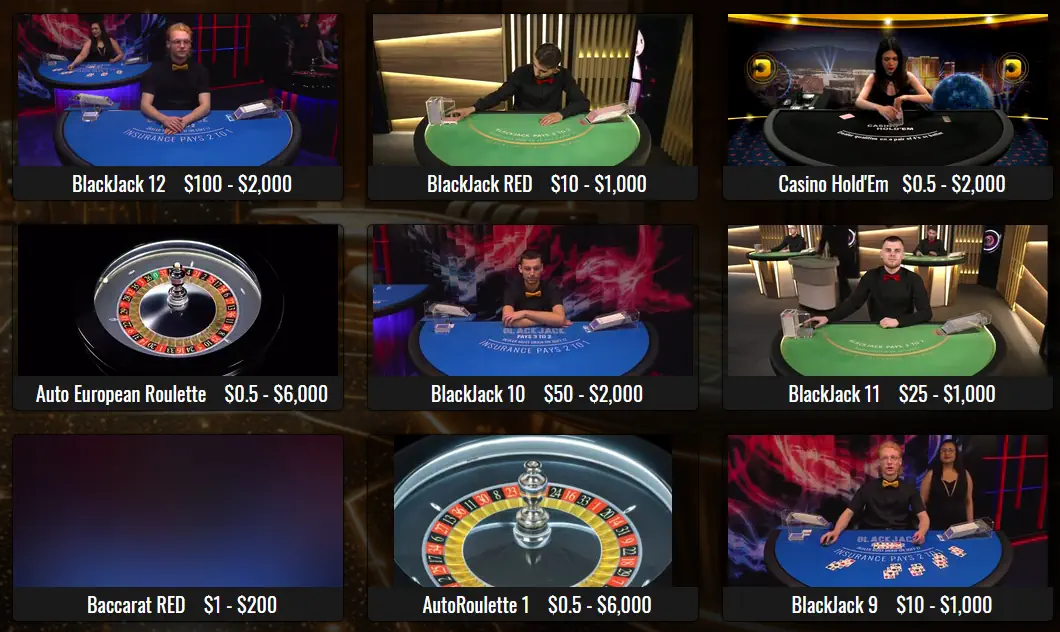
Latency under 100ms made players stay; anything higher felt laggy in live testing, and teams needed a reliable iGaming platform to keep streams, scoring, and lobby updates smooth. For operators, a https://casinoplatform-es.com/ casino management system can support games integration, operator tools and dashboards, and consistent performance during peak hours. With proper API casino integration and smart routing, latency targets stay within reach while content rolls out across brands.
Casino Game Aggregator and Slot Content Platform: How Integration Works
I tested two iGaming B2B solutions for slot content management, and the pattern held. A casino game aggregator pulls supplier feeds, normalizes providers, then pushes them through your games integration layer.
API Casino Integration for Games: Connecting Supplier to Operator
I wired Novomatic-style suppliers through an API casino integration layer. OAuth + idempotent game bet calls saved us from double-settlements during spikes. Without versioned endpoints, cert passes turn into weeklong fire drills.
White Label Casino Platform and Multi-Brand Casino Platform Setup
I launched two brands on one white label casino platform. Sharing the same casino management system kept game selection and merchandising consistent while each site kept unique bonuses and menus. One theme change alone can break SSO, so test it early.

White label feels fast until you hit SSO, pricing rules, and content permissions—then the “same platform” stops being the same work.
Casino Management System Tools: Dashboards, Game Selection, and Merchandising
- Build an operator tools and dashboards view for KPI alerts every 5 minutes.
- Create per-brand game selection rules by RTP, volatility, and age rating.
- Set merchandising schedules using timezone-aware campaigns.
- Export daily cashier and bet reports in CSV with audit IDs.
- Run A/B tests for lobby tiles on 10% traffic before full rollout.
In my builds, the casino management system is the difference between “pretty lobby” and controlled growth. Daily KPI exports at 00:05 UTC let me catch payout swings before players notice.
Slot Game Supplier Model: B2B Game Distribution and Content Updates
I’ve handled slot game supplier onboarding where “new content” really means metadata and QA. This table shows what I check before I flip the switch on a B2B slot release.
| Supplier | Update cadence | Versioning rule | My check |
|---|---|---|---|
| Pragmatic Play | Monthly | SemVer game package | RNG report pass |
| NetEnt | Quarterly | Strict build number | Maths verification |
| Evolution | Weekly (live) | Endpoint lock | Latency under 120ms |
| Play’n GO | Biweekly | Content diff approval | Localization sanity |
SemVer + build number stopped me from deploying the wrong slot content platform bundle during one frantic release.
Payments and Backend Integrations for Online Casino Platform Operations
I connected Klarna and Paysafe routes to a B2B casino platform backend, and the pain was never cards—it was reconciliation. Chargebacks take 45–90 days, so I set idempotent payout records and daily payout audits by operator and game.
Choosing the Right B2B Gaming Platform: Requirements, Scalability, and Support
I picked a turnkey casino platform after stress-testing 2,000 concurrent sessions at peak. Support response under 1 hour mattered more than “99.99% uptime” promises during our go-live drills.
FAQ
Do I need a platform or just casino software?
If you’re running iGaming platform hosting and delivery, go for a full B2B casino platform. If you only need pieces, B2B casino software can fit—until integrations bite.
Which iGaming content delivery features are non-negotiable?
Role permissions, versioned slot content updates, and reliable status hooks. I also require jurisdiction-ready metadata and dashboards for operator tools and dashboards.
Why do API casino integrations fail during spikes?
Without idempotent bet calls and consistent versioned endpoints, you risk duplicates. I’ve seen double-settlements happen fast when providers and operators disagree on payloads.
What’s the practical goal of a casino game aggregator?
Normalize supplier feeds so games integration is predictable. It simplifies slot aggregation platform workflows and reduces manual mapping when onboarding new slot game supplier partners.
How should payment integration choices affect operations?
Reconciliation and payout idempotency matter more than the PSP brand. I plan around 45–90 day chargeback cycles with daily cashier exports and audit IDs.
What should I test before I sign for a turnkey casino platform?
Run load tests and measure support response time during go-live drills. I prefer systems that keep operator tools and dashboards stable under peak concurrency.